
The Monterey Peninsula Real Estate Market in 2026: What Buyers and Sellers Need to Know
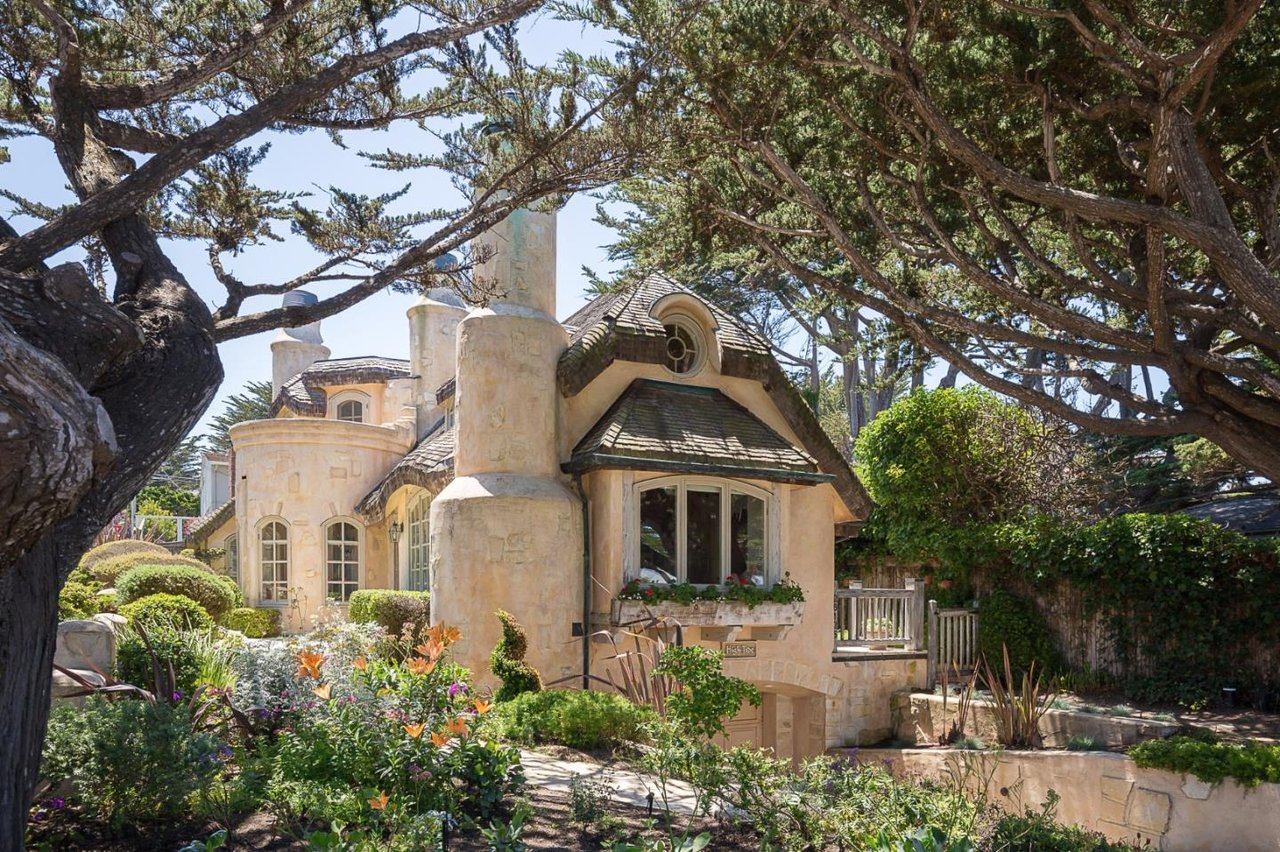
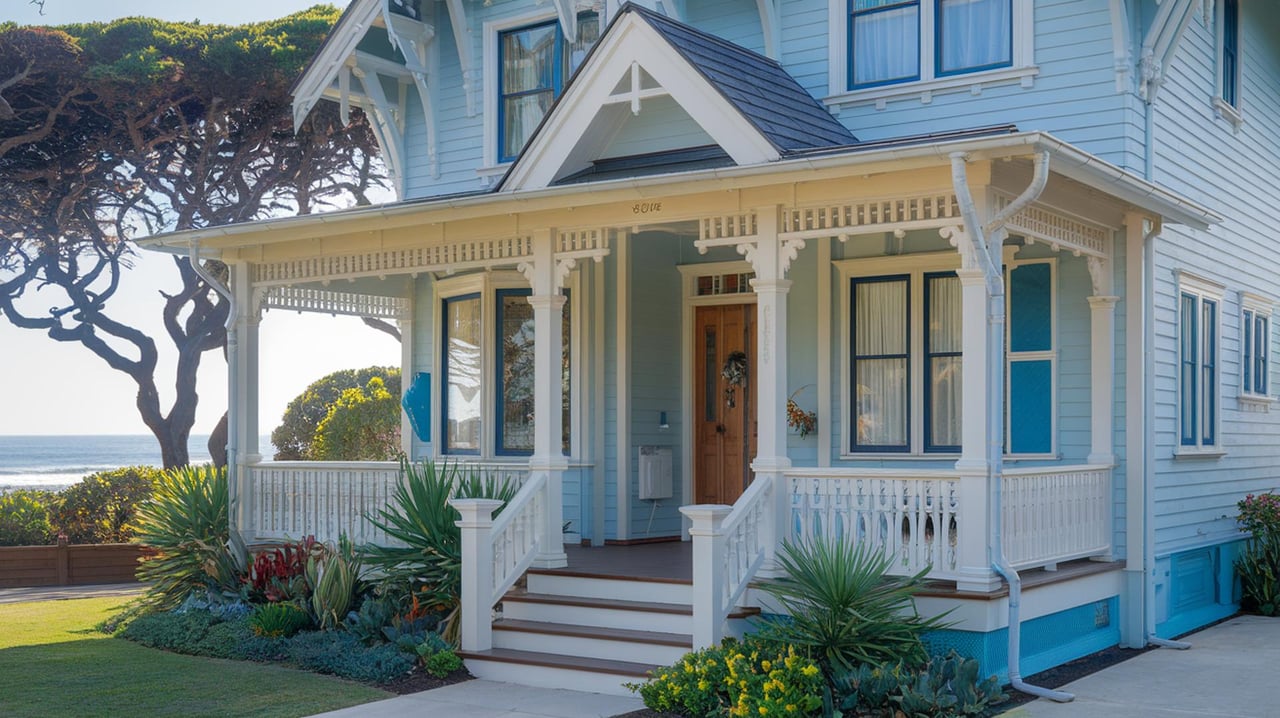
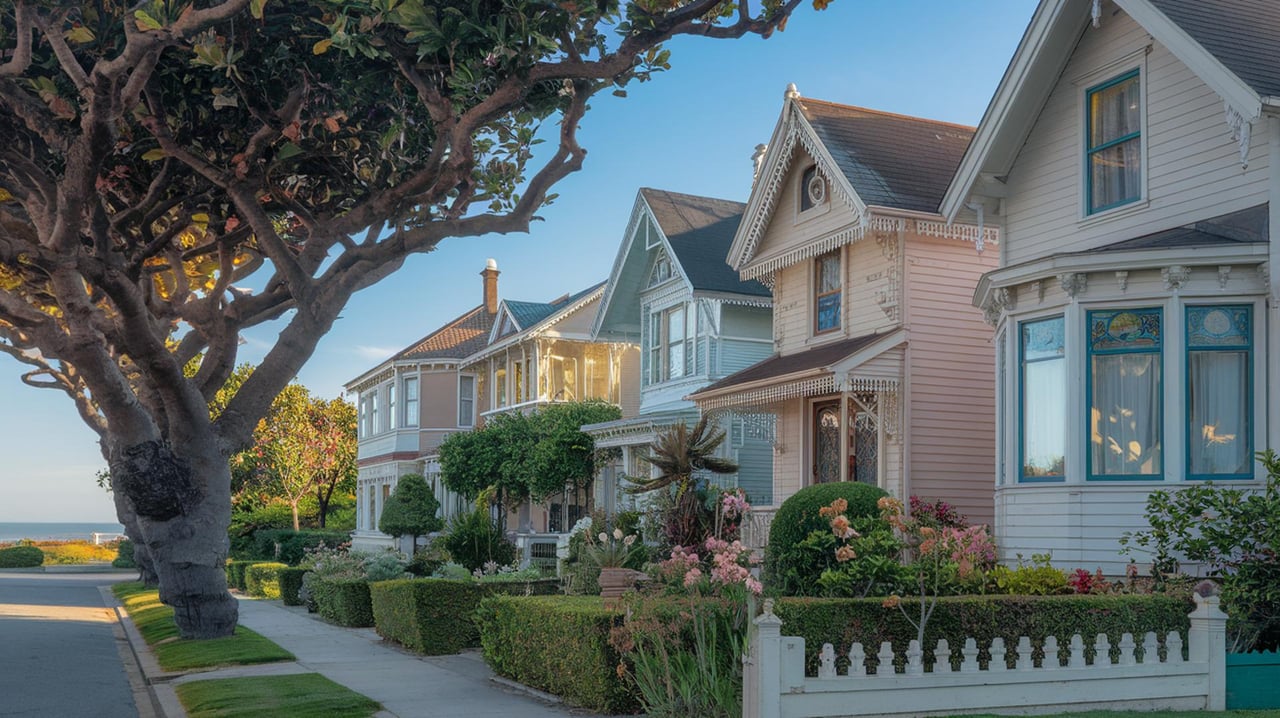
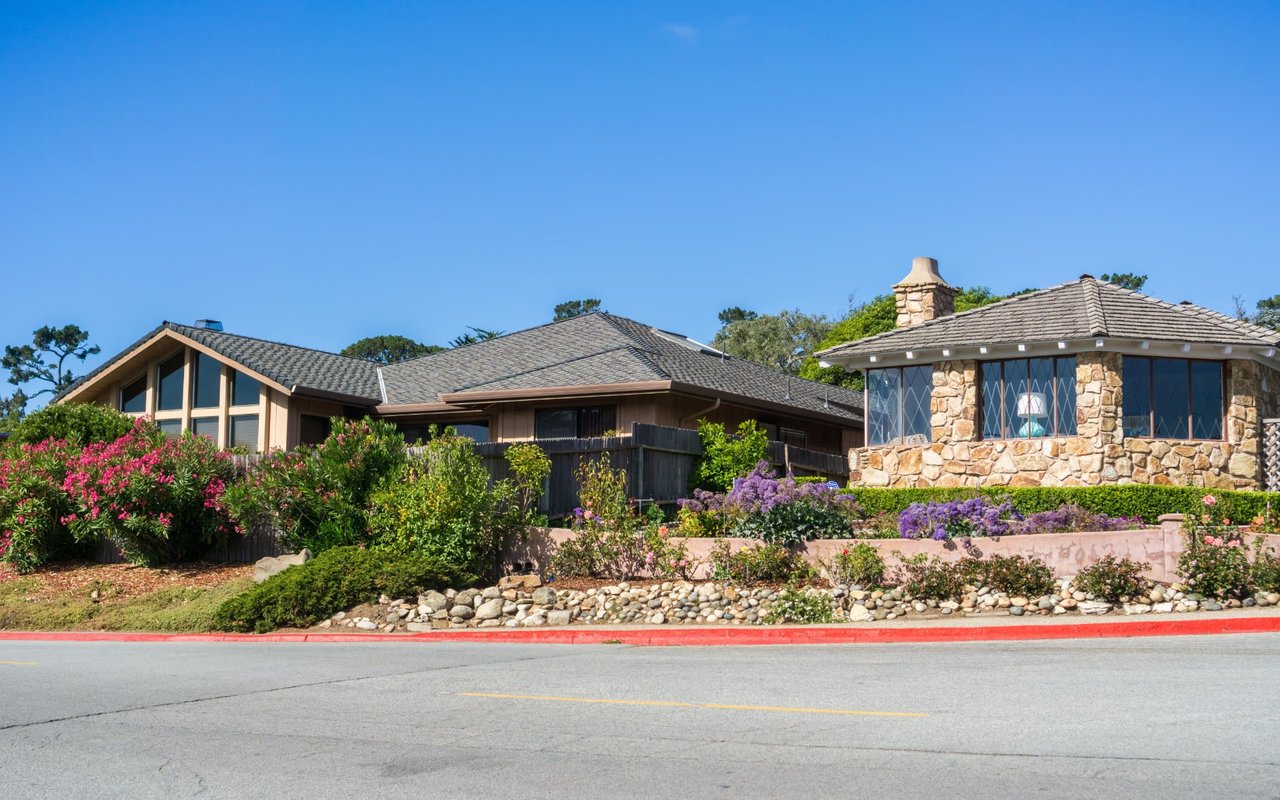
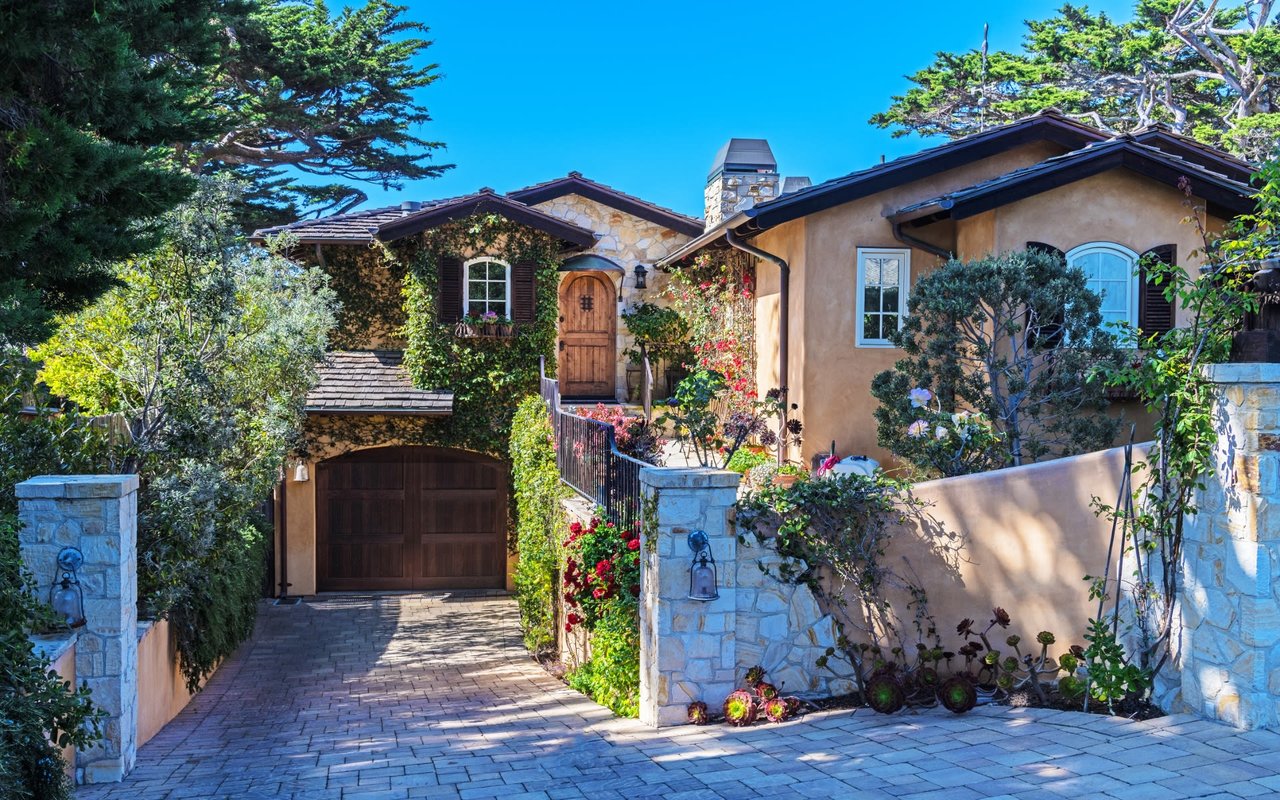
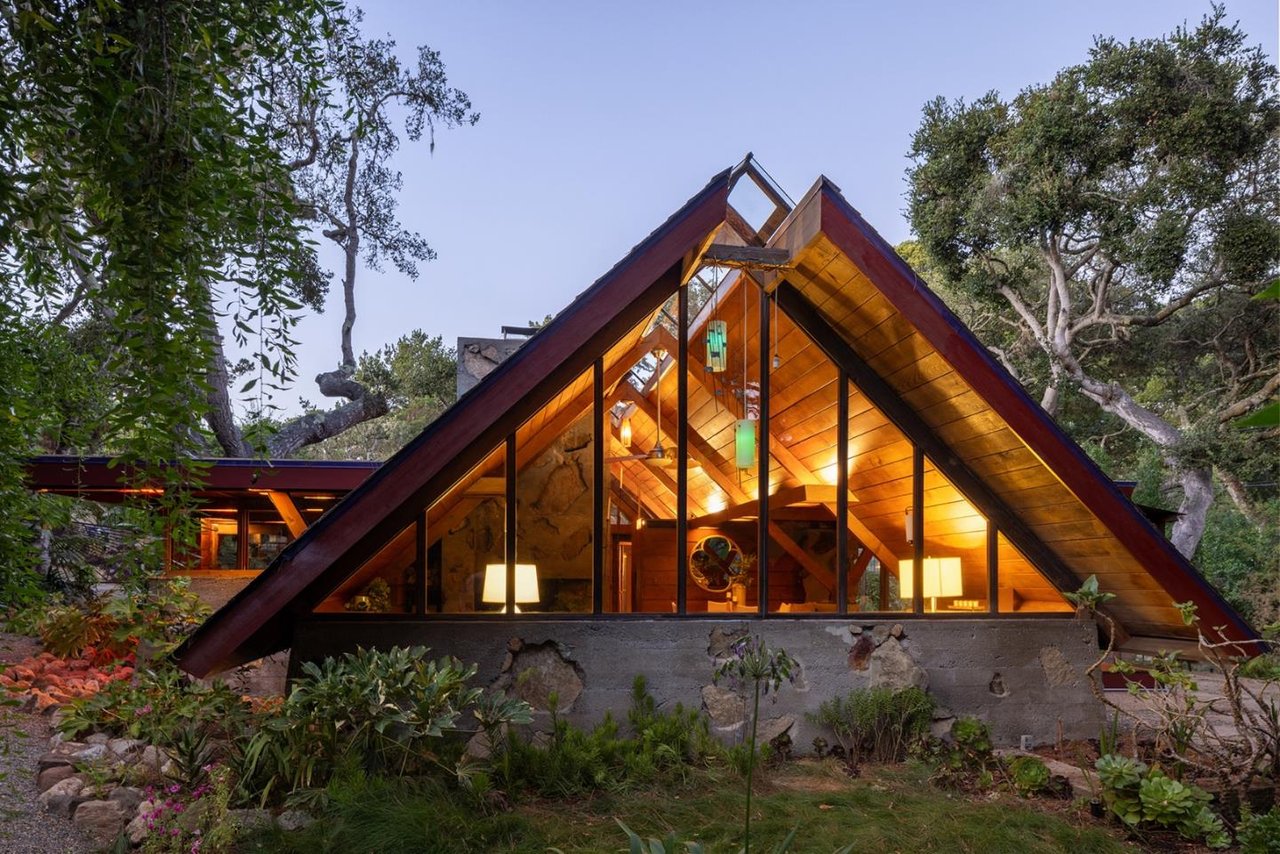
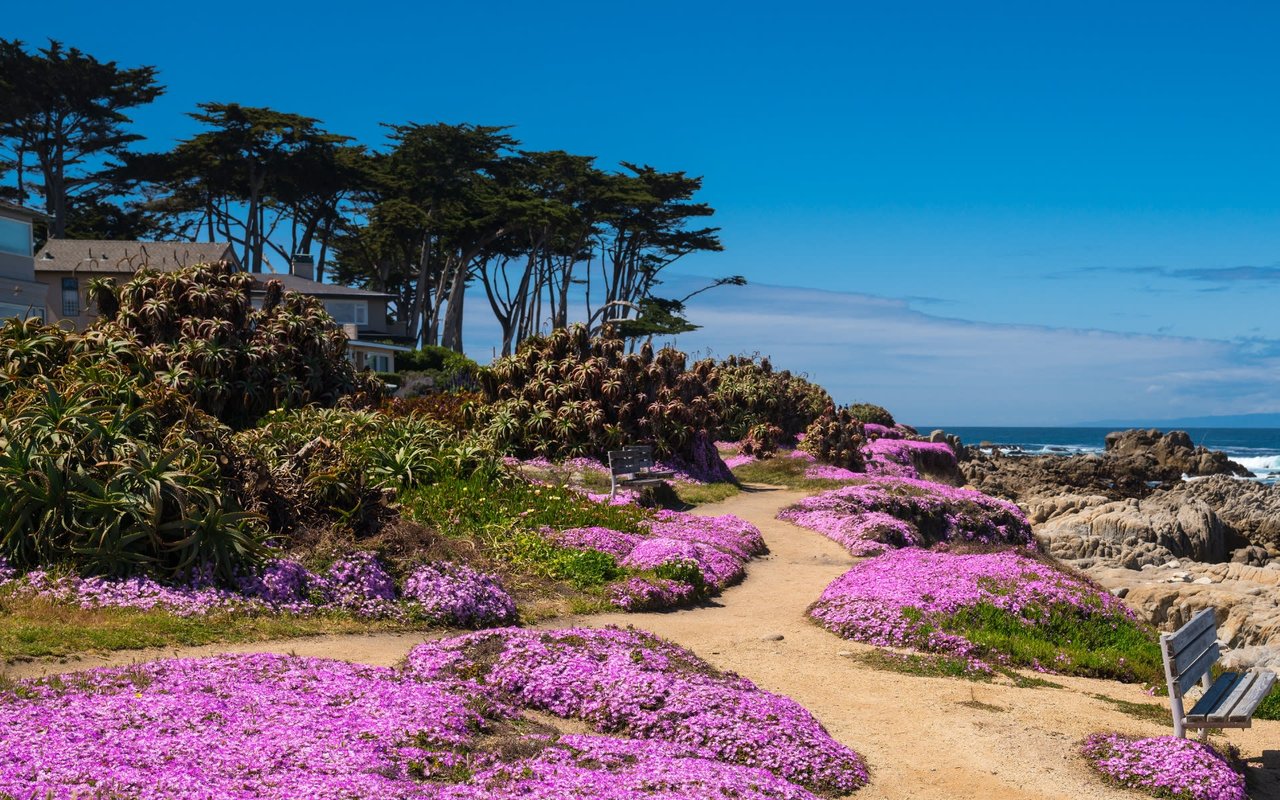
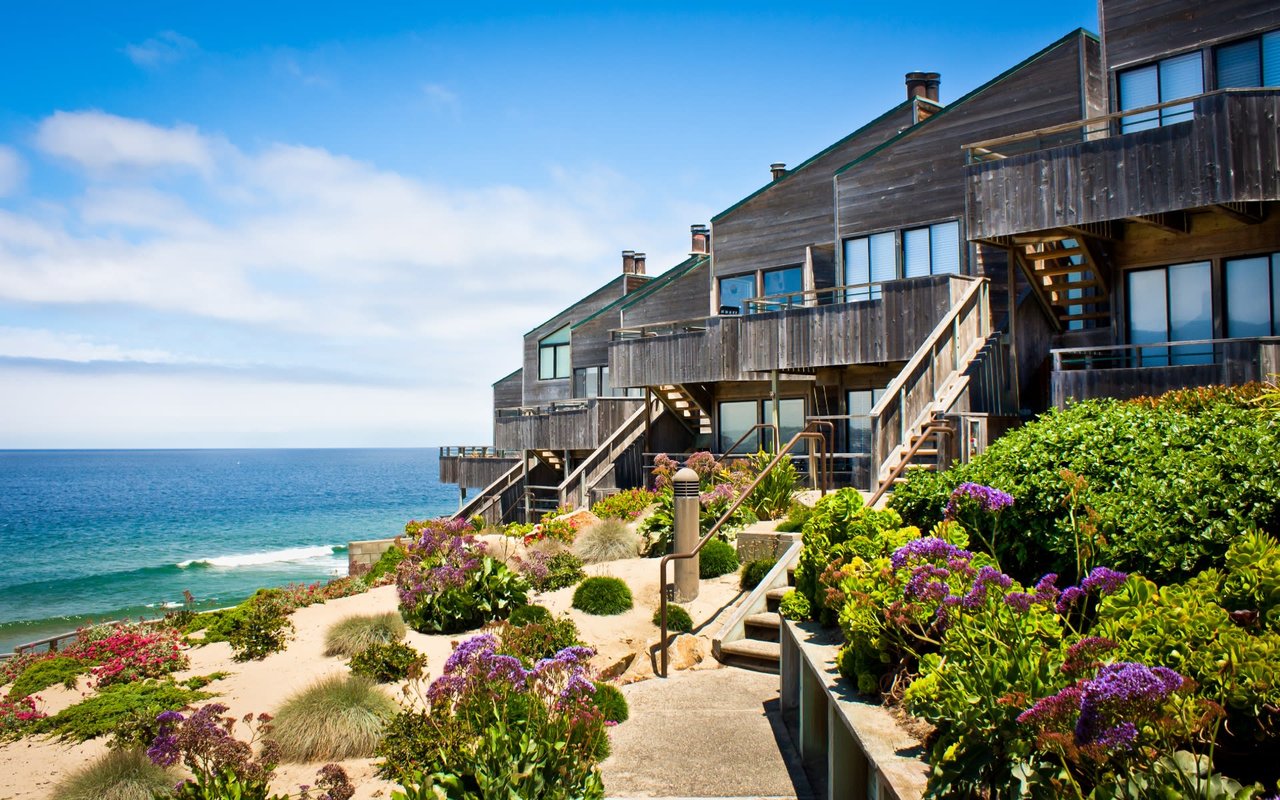
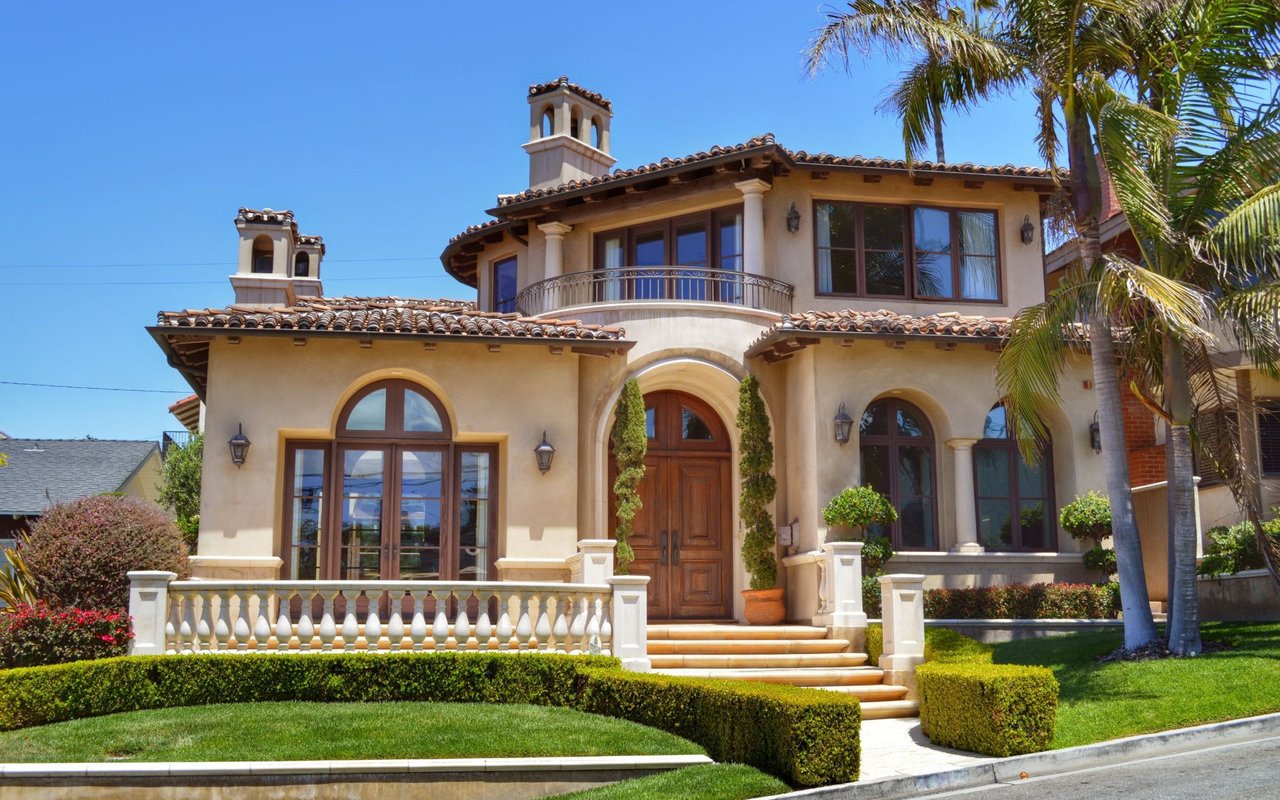
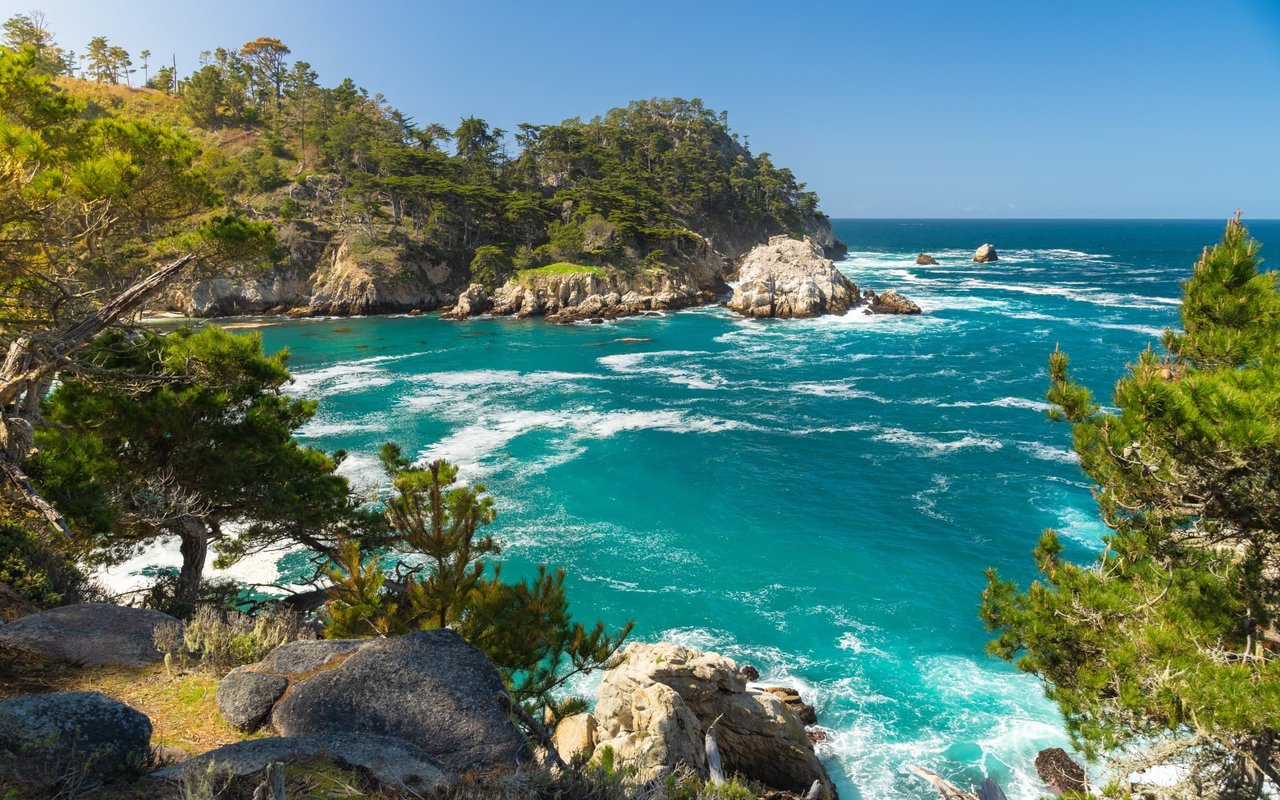
Whether you're considering listing your home or beginning your search for one, the Monterey Peninsula real estate market in 2026 offers real opportunity — along with dynamics that reward preparation. From the storybook cottages of Carmel-by-the-Sea to the Victorian streetscapes of Pacific Grove, the gated forest estates of Pebble Beach, and the working waterfront of Monterey, each community on the Peninsula has its own rhythm. But together, they share a set of market conditions that every buyer and seller should understand before transacting.
The Market in Context: Stability After Volatility
The Peninsula's real estate market entered 2026 in a state of measured equilibrium. After the extraordinary demand surge of 2021–2022 and the subsequent rate-driven slowdown, the market has found a more predictable footing.
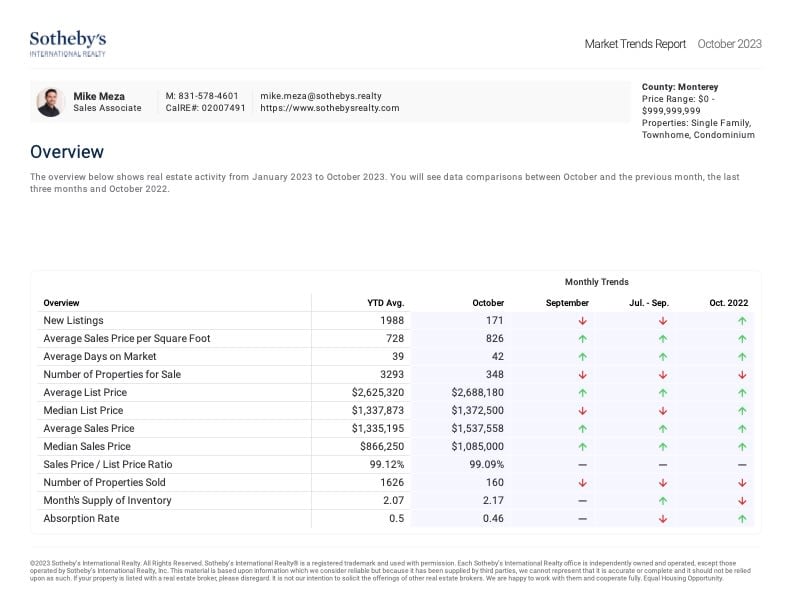
Local market analysts tracking the region noted that 2025 saw strong buyer demand to start the year, then a period of hesitation driven by economic and political uncertainty. By mid-to-late summer, rebounding equity markets and declining interest rates helped restore confidence — a shift that carried into early 2026. Median house sales prices across the Peninsula were relatively stable year-over-year through 2025, setting a clean baseline for the current selling season.
For buyers, this translates to more time to evaluate and negotiate than at any point since 2019. For sellers, it means pricing strategy and property presentation are more consequential than ever.
Community-by-Community Snapshot
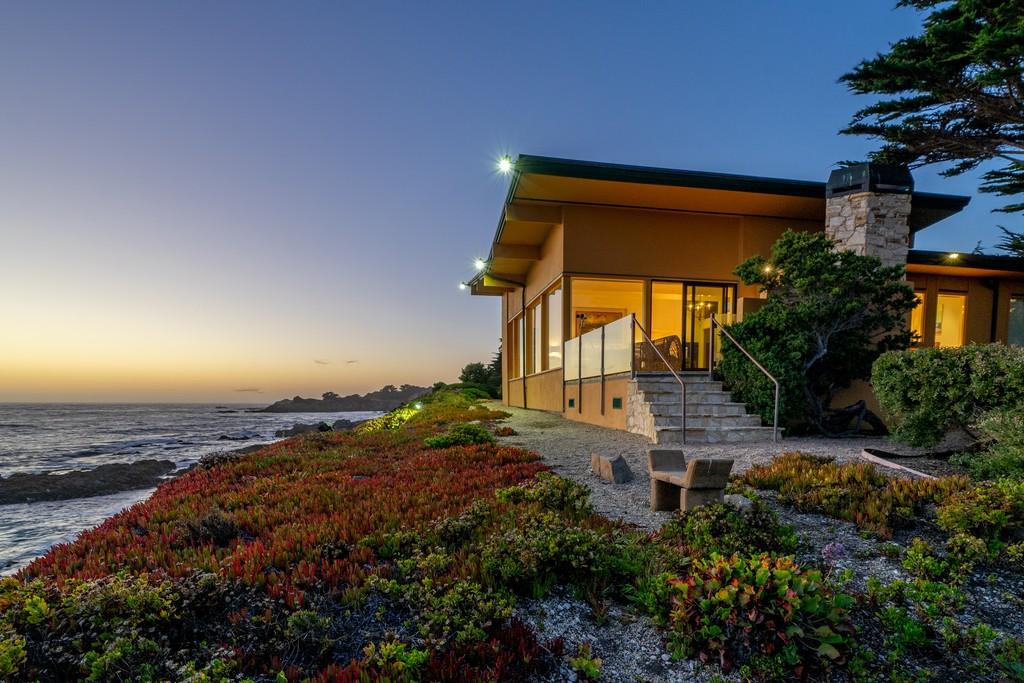
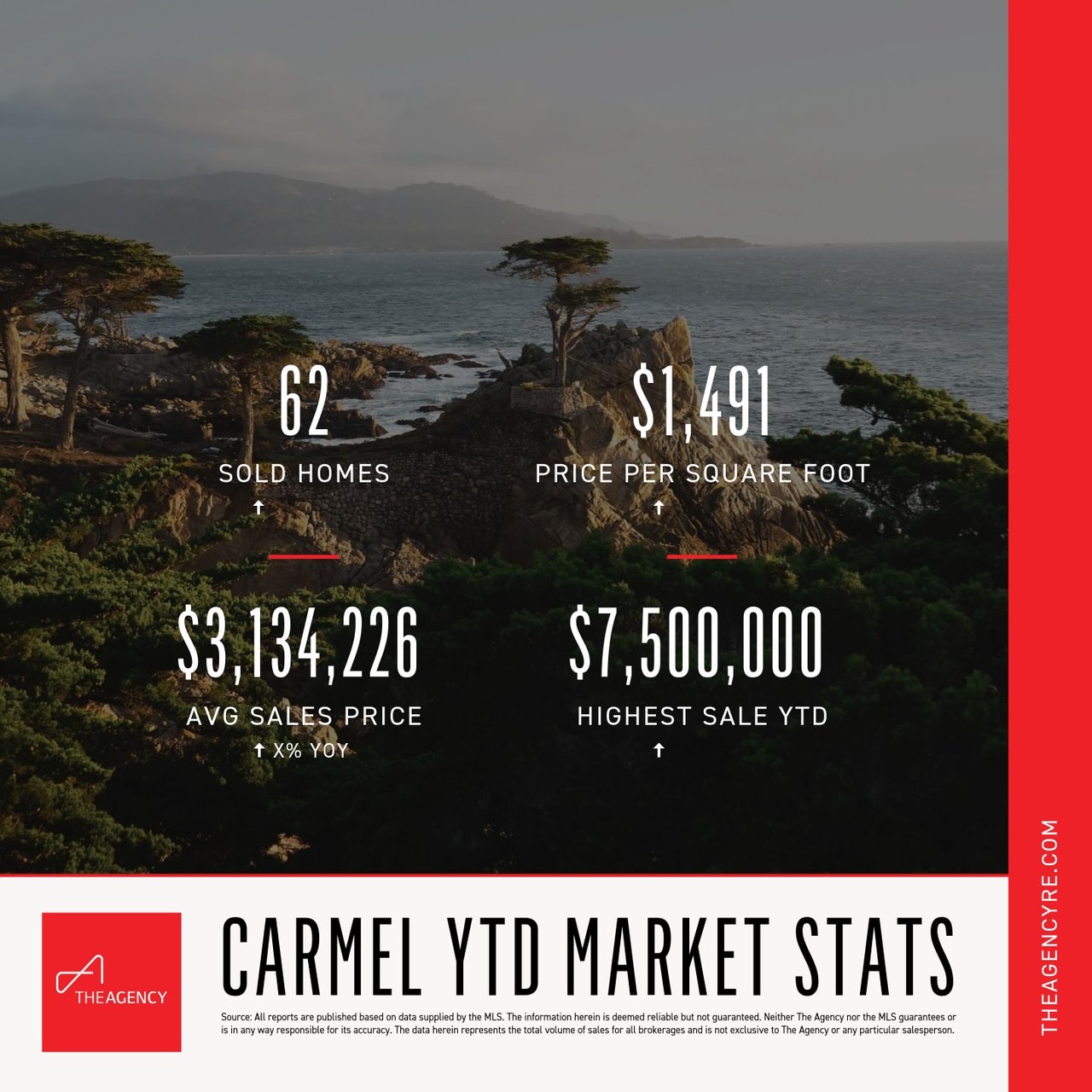
Carmel-by-the-Sea remains the Peninsula's flagship luxury market. The Zillow Home Value Index places the average home value at approximately $2.28M, up 0.8% year-over-year. Median list prices sit closer to $2.95M based on current active inventory, with homes spending a median of 142–143 days on the market — down from 156 days the prior year, a sign of gradual improvement in absorption. The Carmel Woods sub-neighborhood posted especially strong results, with median sale prices reaching $3.0M in January 2026, up 14.6% year-over-year. The village's zero-new-construction environment means every available property is inherently scarce.
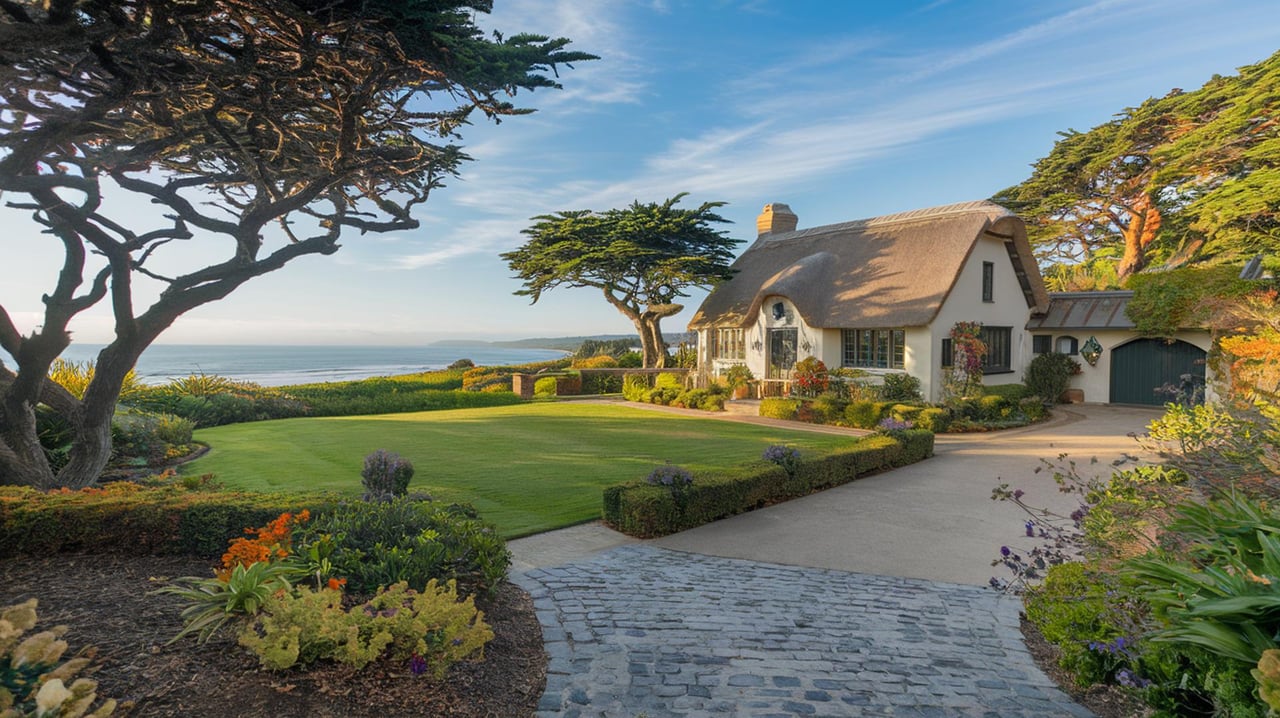
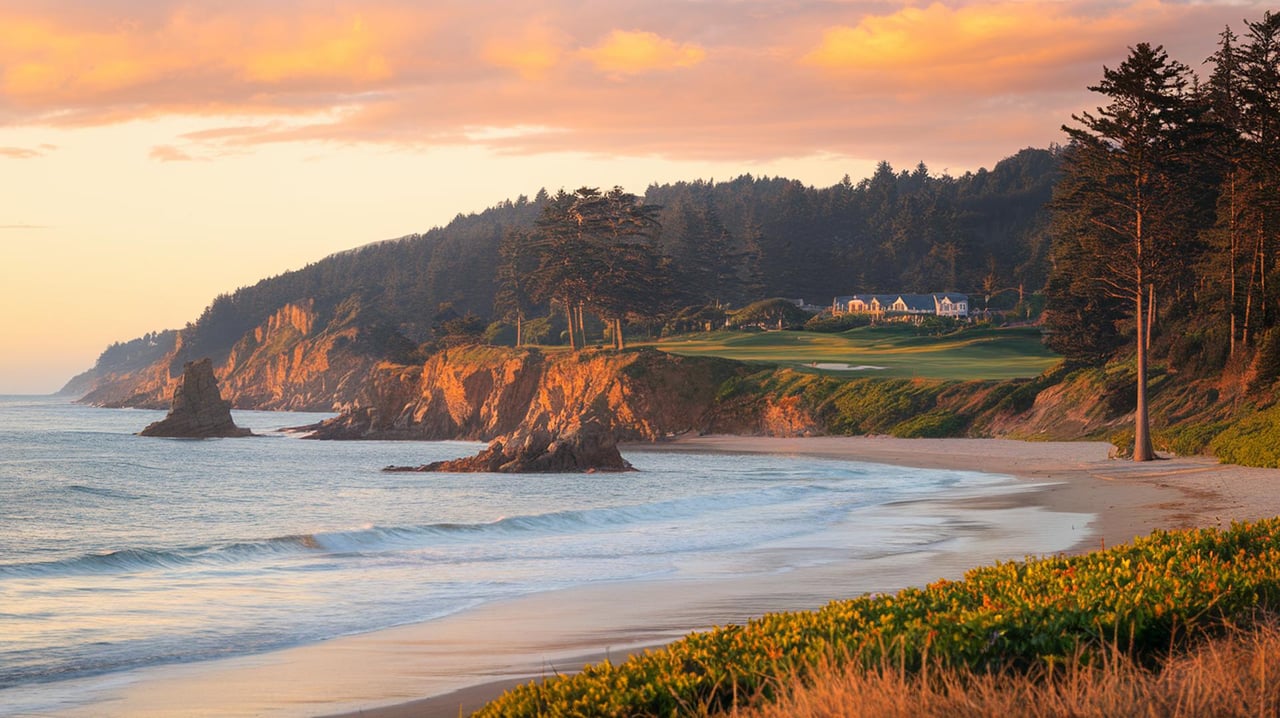
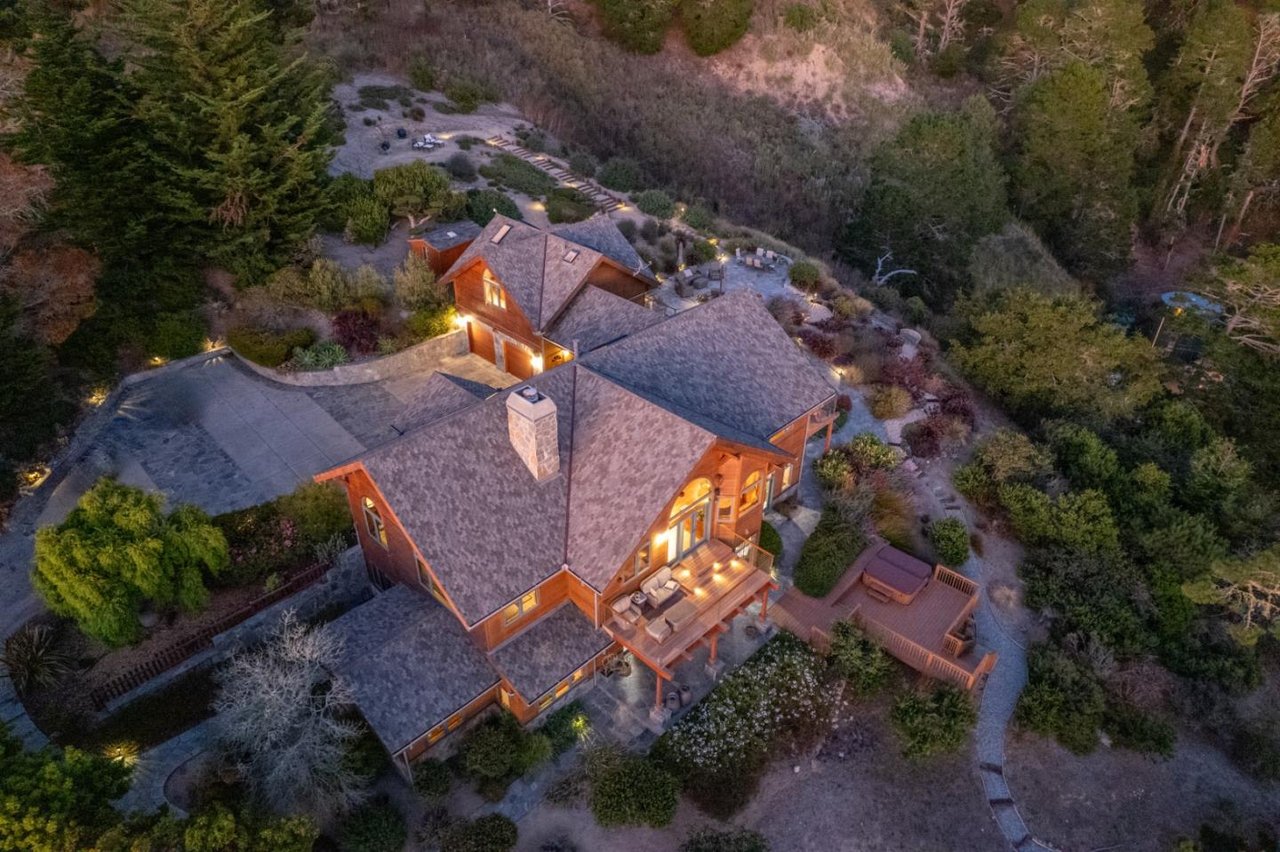
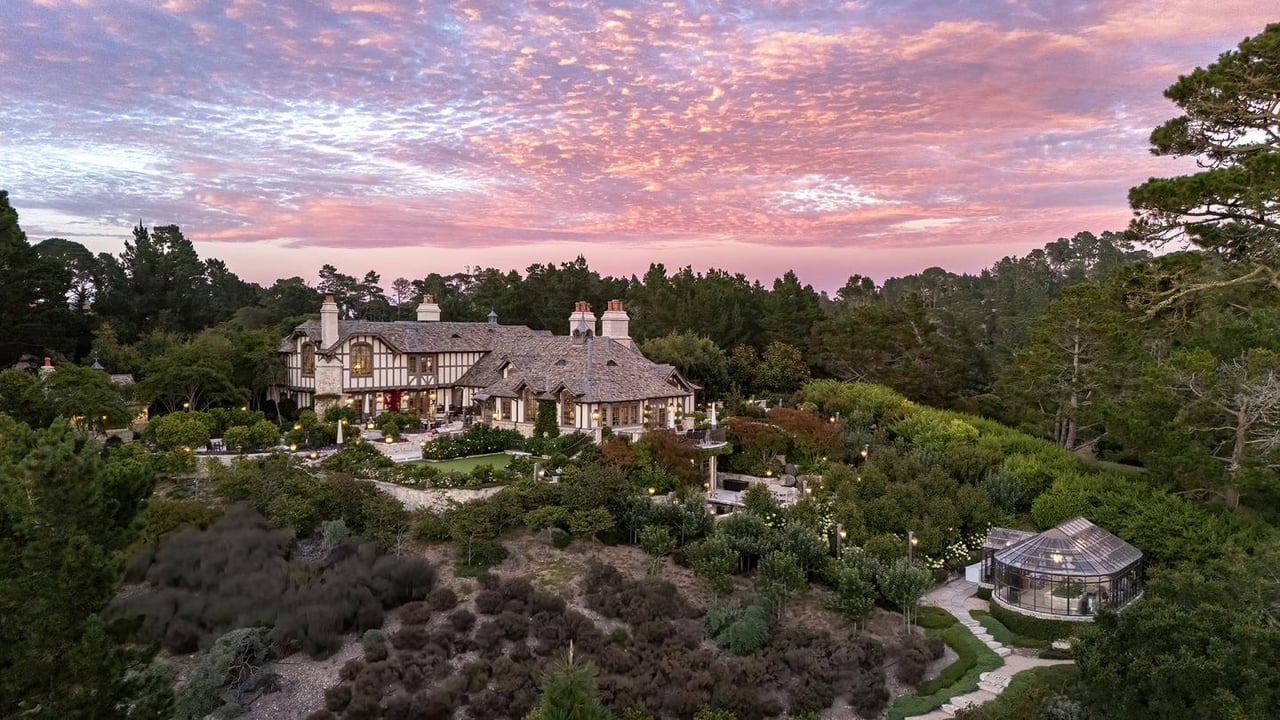
Pebble Beach occupies the Peninsula's ultra-luxury tier. Gated, forested, and fronting some of the world's most recognized golf courses, Pebble Beach draws high-net-worth buyers seeking both lifestyle and prestige. Oceanfront homes and properties fronting the Pebble Beach or Monterey Peninsula Country Club courses command the highest premiums, and well-positioned listings here attract buyers from across the country.
Pacific Grove has emerged as one of the Peninsula's more active and accessible markets. Median sale prices came in around $1.3M as of late 2025, with homes moving in approximately 26 days — meaningfully faster than the broader Peninsula average. Transaction volume has been healthy, with 25 homes sold in a single month and year-over-year sales counts up significantly. For buyers seeking Peninsula lifestyle at a more approachable price point, Pacific Grove represents genuine value. For sellers, faster absorption rates mean well-priced listings are getting done.
Monterey offers the most range of any Peninsula community — from historic downtown condos near Cannery Row and Fisherman's Wharf to larger single-family homes near Del Monte Beach and the Highway 68 corridor. Its proximity to the Naval Postgraduate School, the Defense Language Institute, and the broader hospitality and tech economy creates a diverse buyer and renter pool. Median prices span a wide range depending on neighborhood, making careful comparable analysis essential for both buyers and sellers.
What's Driving Demand Across the Peninsula
Several structural factors continue to support buyer interest in Peninsula properties — factors that sellers can point to with confidence when positioning a home for sale.
Supply is inherently constrained. Carmel has no street addresses and strict architectural review. Pebble Beach is gated with a finite number of lots. Pacific Grove's Victorian-era grid is largely built out. This scarcity isn't cyclical — it's geographic and regulatory, which creates a durable floor under values.
Lifestyle migration continues. Redfin migration data consistently shows San Francisco, Los Angeles, and Seattle as the three largest sources of inbound buyer interest in the Carmel market. These buyers tend to be equity-rich, often transacting with significant cash, and many are less sensitive to mortgage rate fluctuations than typical buyers. For sellers, this means the qualified buyer pool is both geographically distributed and financially capable.
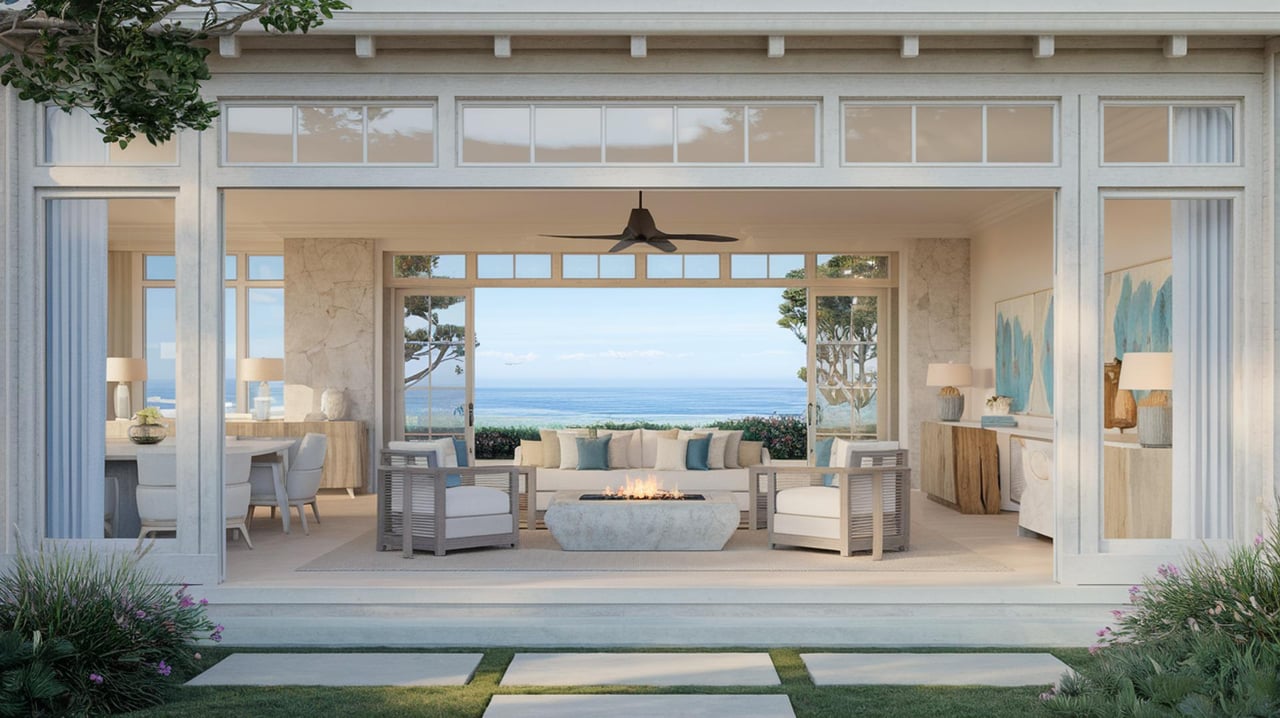
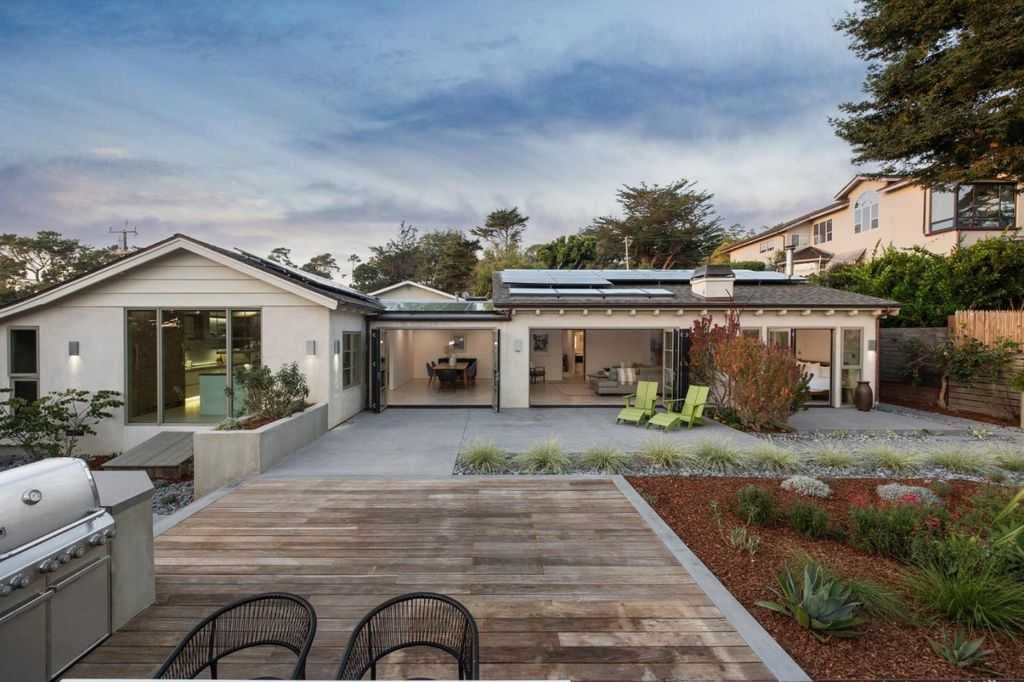
Remote work has redefined the addressable market. The flexibility to work from anywhere has converted the Peninsula from a weekend retreat market into a primary residence destination for a much larger cohort of buyers. Properties with dedicated office space, reliable connectivity, and indoor-outdoor flow are particularly well-positioned to attract this segment.
The California statewide context is constructive. The California Association of REALTORS® projects the statewide median price rising approximately 3.6% in 2026, with modestly higher sales volume — a sign of normalization rather than contraction. Mortgage rates are expected to hold in the low-to-mid 6% range, which has become the market's new equilibrium. Deals are getting done.
For Sellers: What It Takes to Win in This Market
The Peninsula market rewards sellers who approach the transaction strategically. A few principles stand out:
Price from the data, not from aspiration. With days-on-market extending relative to the 2021–2022 peak, the cost of overpricing is higher. Listings that require price reductions spend more time on market — and in a prestige market, extended time erodes perceived value. A rigorous comparable sales analysis, specific to your sub-neighborhood and property type, is the essential first step.
Presentation has an outsized return. Buyers at every price point on the Peninsula are deliberate. Professional staging, high-quality photography, and addressing deferred maintenance before listing consistently translate to stronger offers and faster timelines.
Time the season. Peninsula markets tend to warm meaningfully in the spring as lifestyle buyers reconnect with the area. Targeting a February through April listing window maximizes exposure to the most active buyer pool of the year.
Reach the right buyer. The most qualified buyers for Peninsula properties are often not local. A marketing strategy that actively targets high-net-worth households in the Bay Area, Southern California, and Pacific Northwest — through luxury real estate networks, targeted digital campaigns, and agent-to-agent outreach — will consistently outperform a locally-focused approach.
For Buyers: How to Navigate the Market Effectively
Buying on the Monterey Peninsula requires a different playbook than most California markets. Here's what to prioritize:
Get specific about geography. Each community — and often each neighborhood within a community — has its own micro-market dynamics. Pacific Grove's brisk 26-day absorption looks very different from Carmel-by-the-Sea's 142-day average. Understanding where conditions favor buyers versus sellers at the sub-neighborhood level is essential.
Act on well-priced listings. While the market is not the frenzied multiple-offer environment of 2021, correctly priced properties in desirable locations still attract serious competition. Having financing confirmed and a clear sense of your parameters before you start touring eliminates delays when the right property appears.
Think long-term. Peninsula real estate has demonstrated consistent long-term appreciation driven by structural scarcity. Monterey County's FHFA House Price Index stood at 282.47 in 2024, reflecting decades of compound appreciation since the index's 2000 baseline of 100. Buyers who focus on long-term lifestyle value tend to be more satisfied — and better compensated — than those trying to time the market.
Understand the nuances of each community. Pebble Beach properties carry HOA and Del Monte Forest Association fees. Carmel-by-the-Sea's naming conventions (no street addresses) and architectural guidelines shape what can be renovated or expanded. Pacific Grove has coastal zone regulations affecting some properties. Working with an agent who knows the specific community you're targeting is not optional.
The Bottom Line
The Monterey Peninsula real estate market in 2026 is neither a boom nor a bust — it's a market that rewards intelligence. Sellers who price correctly, present well, and reach the right audience are achieving strong outcomes. Buyers who move with clarity and preparation are finding that the market offers more room to transact thoughtfully than at any point in the past five years.
Across Carmel, Pebble Beach, Pacific Grove, and Monterey, the underlying proposition remains the same: irreplaceable location, constrained supply, and a quality of life that continues to attract affluent buyers from across California and beyond. That's a durable foundation for any transaction.
If you're considering buying or selling on the Monterey Peninsula in 2026, a detailed market analysis specific to your community and property type is the right starting point.
Data sources: Zillow Home Value Index (January 2026), Redfin MLS data (October–January 2025–2026), Movoto market trends (December 2025–March 2026), ATTOM Data Solutions (January 2026), Bambace Peterson / Compass Monterey Peninsula Market Update (January 2026), California Association of REALTORS®, FHFA House Price Index for Monterey County.